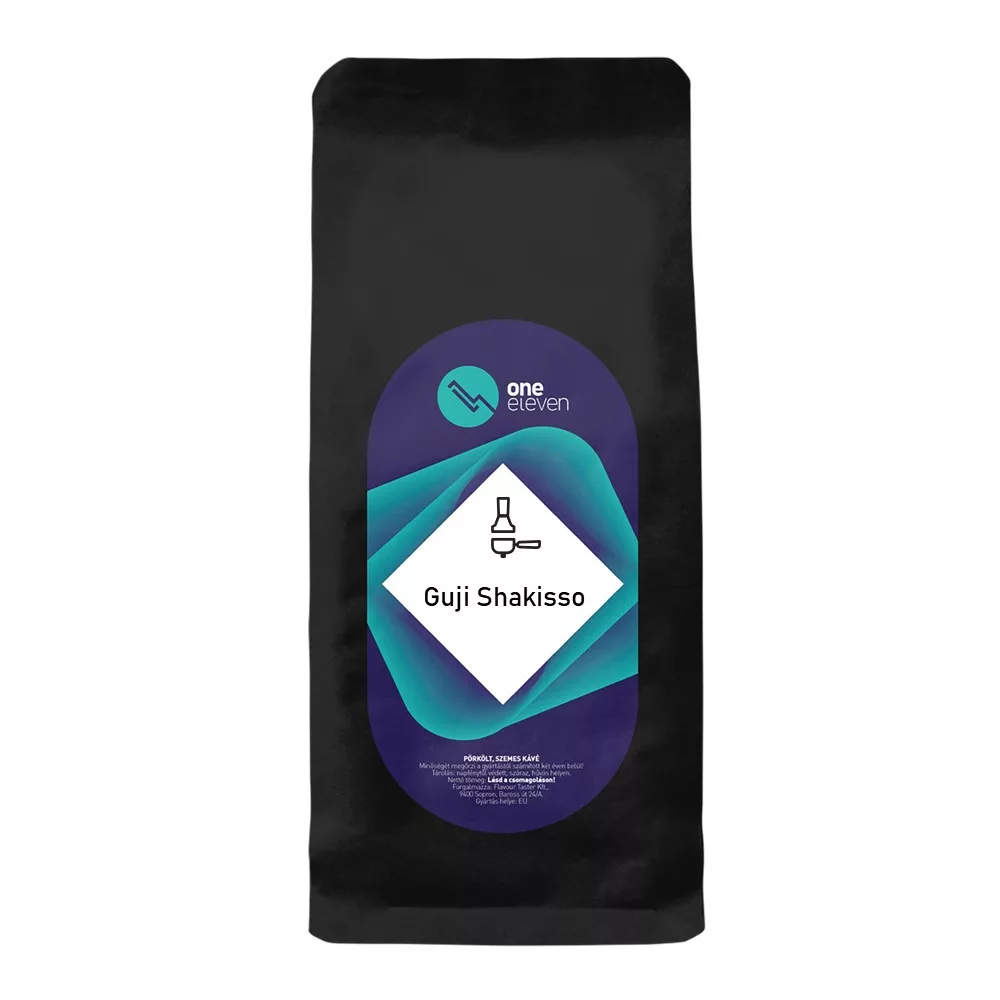
Guji Shakisso Ethiopian specialty arabica coffee 1kg
Farm: Guji Hadeso
Varietal: JARC varieties , Local Landraces
Processing: Fully washed
Altitude: 1,850-2,100 meters above sea level
Owner: 500 smallholder farmers delivering to Guji Hadeso washing station
Subregion: Oddoo Shakisso, Dambi Uddo
Region: Guji
Certifications: Organic
Harvest Months: Low elevations: October - December | High Elevations: November - January
In our opinion: Rasberry, cherry, lemongrass
About this coffee:
This lot is the result of the dedication of the 500 smallholder farmers from Guji region deliver their cherry to Hadeso washing station. The Guji region lies approximately 300 to 400 km south of Addis Ababa in the Guji Zone of the Oromia Region. The Guji region has a long genealogy. In 2002, Guji itself detached from Yirgacheffe, which had previously been folded in with the Sidamo name. The Guji region, which was created in 2002, takes its name from the Oromo people, a tribe who have farmed coffee on the land for generations.
Coffee from Guji was once lumped in with coffees from all over the Yirgacheffe region. Before Yirgacheffe was its own region, those coffees were blended with coffee from a wide geographical area that encompassed much of central-south Ethiopia under the grade “Sidamo”. Despite its long journey, Guji coffees are widely recognized as distinct from both Yirgacheffe and Sidamo coffee thanks to the unique local varieties and microclimates.
Cultivation:
Farming methods in Guji remain largely traditional. Guji farmers typically intercrop their coffee plants with other food crops. This method is common among smallholders because it maximizes land use and provides food for their families. In addition to remaining traditionally intercropped, most farms are also traditional and organic-by-default. Farmers in Guji typically use very few—if any—fertilizers or pesticides. Most farm work is done manually and very few tasks are mechanized, even during processing.
Harvest & Post-harvest:
Due to the size of most plots, coffee is typically handpicked by landowners and their family. All coffee is selectively hand-harvested before being delivered to Guji Hadeso washing station. At the washing station, coffee is sorted to remove damaged or underripe cherry and is then delivered to the pulpers to be pulped typically within 6 to 8 hours after harvesting to prevent further natural fermentation. After pulping, coffee is fermented in tanks for 36 to 48 hours. During this process, water is frequently replaced. Once fermentation is complete the parchment is thoroughly washed and is then graded in washing channels, until mucilage is completely removed. After washing, the coffee is delivered to raised beds to dry under parabolic shade net for 5 to 7 days until moisture content reaches 11-12%. During this time, the coffee is regularly turned and hand sorted several times to remove any damaged or discolored beans.
Coffee in Ethiopia:
While Ethiopia is famous as coffee’s birthplace, today it remains a specialty coffee industry darling for its incredible variety of flavors. While full traceability has been difficult in recent history, new regulations have made direct purchasing possible. We’re partnering directly with farmers to help them produce top quality specialty lots that are now completely traceable, adding value for farmers and roasters, alike.
The exceptional quality of Ethiopian coffee is due to a combination of factors. The genetic diversity of coffee varieties means that we find a diversity of flavor, even between (or within) farms with similar growing conditions and processing. In addition to varieties, processing methods also contribute to end quality. The final key ingredients for excellent coffee in Ethiopia are the producing traditions that have created the genetic diversity, processing infrastructure and great coffee we enjoy today.
Most producers in Ethiopia are smallholders, and the majority continue to cultivate coffee using traditional methods. As a result, most coffee is grown with no chemical fertilizer or pesticide use. Coffee is almost entirely cultivated, harvested and dried using manual systems.